
 By
By
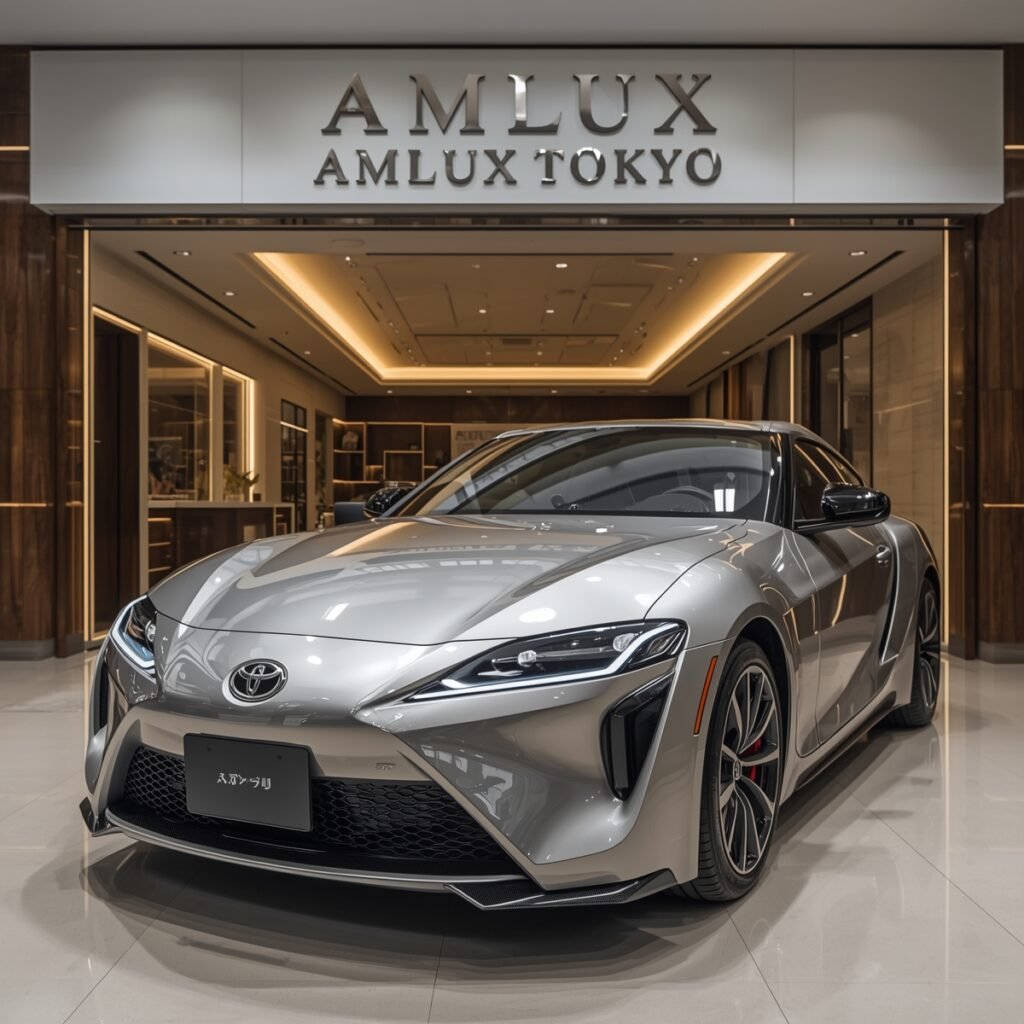
For decades, Japan has been at the forefront of automotive innovation, and no brand embodies that spirit more than Toyota. Among its many ventures, one of the most iconic was the Toyota Auto Saloon Amlux Tokyo, a dazzling automotive showroom that stood as a symbol of Toyota’s creativity, craftsmanship, and connection with customers. Known simply as Amlux Toyota, this Tokyo attraction was not just a car dealership — it was a celebration of design, technology, and the driving experience itself.
In this article, we’ll explore the fascinating story of the Toyota Auto Saloon Amlux Tokyo — from its origins and unique features to its influence on automotive culture in Japan and beyond.
The Origins of Toyota Auto Saloon Amlux Tokyo
The Toyota Amlux opened its doors in 1989 in Tokyo’s bustling Ikebukuro district, a location chosen for its centrality and accessibility. Toyota envisioned Amlux as more than just a showroom — it was designed as a brand experience center where people could explore the world of Toyota in an engaging and interactive way.
The name “Amlux” was derived from a combination of words — “Amusement” and “Luxury.” It perfectly described the facility’s goal: to create a space that blended entertainment with elegance. It wasn’t only for potential buyers; it was for anyone curious about the evolution of cars, Toyota’s technology, and Japan’s automotive design philosophy.
From the moment visitors stepped inside, Amlux felt like a futuristic temple for car enthusiasts. The multi-story building was filled with Toyota’s latest models, concept cars, and displays highlighting innovation in design, safety, and sustainability.
A Multi-Level Experience: Inside the Amlux Toyota
The Amlux building was a striking architectural piece — five floors of polished glass, steel, and lights, designed to reflect Toyota’s commitment to progress and sophistication. Each floor had its own theme, allowing visitors to journey through the brand’s various worlds.
Ground Floor: The Welcome Zone
The entrance floor was a wide, open space where the newest Toyota models were displayed under bright, museum-style lighting. From sporty Supras to family-friendly Corollas, visitors could get up close, sit inside, and experience the interiors firsthand. There was no pressure to buy — only an invitation to explore.
Second Floor: Interactive Technology Zone
This level focused on Toyota’s latest technological innovations. Touchscreens, simulators, and cutaway displays showed how hybrid engines worked, how safety systems like Toyota Safety Sense operated, and how future vehicles would integrate AI and automation. For many visitors, this was their first opportunity to understand hybrid technology long before it became mainstream.
Third Floor: Concept and Performance Showcase
Perhaps the most exciting floor for enthusiasts, the concept zone displayed Toyota’s futuristic designs and prototypes. Here, the company previewed cars that represented its dreams — from electric vehicles to experimental designs. It also housed displays of TRD (Toyota Racing Development) models, appealing to those passionate about performance.
Fourth Floor: Personalization and Accessories
Toyota understood that drivers wanted to express individuality. This floor showcased accessories, customization options, and color palettes. Visitors could visualize how their dream Toyota might look — with wheels, trims, interiors, and finishes tailored to their liking.
Fifth Floor: Café and Event Space
At the top of the Amlux building was a relaxation area and café, offering a panoramic view of Ikebukuro. This floor often hosted car-themed events, talk shows, and small exhibitions. It provided a calm retreat for guests to sip coffee while surrounded by the sleek aesthetics of Japanese automotive culture.
A Center for Toyota’s Global Brand Identity
Amlux was not just about selling cars — it was about storytelling. The showroom played a crucial role in shaping Toyota’s brand identity. By blending technology with hospitality, it demonstrated Toyota’s core values: quality, innovation, and respect for people.
In the 1990s and 2000s, when global interest in Japanese cars was booming, Amlux became a destination for tourists and car lovers from around the world. It offered a window into Japan’s car culture, presenting Toyota not merely as a manufacturer but as a lifestyle brand.
For Toyota’s marketing team, Amlux was also a testing ground. Feedback gathered from visitors helped influence future car designs, features, and even advertising approaches. It served as a live focus group, showing what customers truly wanted from modern vehicles.
Events, Exhibitions, and Community Engagement
Throughout its history, Amlux hosted numerous special events, ranging from product launches to interactive exhibitions. The showroom frequently displayed concept cars that had premiered at the Tokyo Motor Show, allowing the public to see futuristic designs up close.
One of the most popular features was the test drive program, where visitors could actually drive Toyota models around Tokyo. This gave potential buyers — and curious visitors — a first-hand experience of Toyota’s comfort and performance.
Additionally, Amlux embraced cultural collaborations. It hosted art installations, robot demonstrations, and charity events that connected Toyota with communities beyond the automotive world. It wasn’t unusual to see a concert or design exhibition happening alongside a car showcase — a reflection of Japan’s seamless blending of art, technology, and innovation.
The Decline and Closure
Despite its success and popularity, the Toyota Auto Saloon Amlux Tokyo eventually faced the realities of changing times. In the 2010s, as digital technology evolved and online experiences became dominant, Toyota began shifting its focus toward virtual showrooms and digital customer engagement.
Moreover, Toyota had opened a newer and larger brand showcase, the Toyota Mega Web in Odaiba, Tokyo. This massive entertainment complex offered similar experiences — including interactive exhibits and test tracks — but on a grander, more modern scale. As a result, the role of Amlux became somewhat redundant.
In 2013, after nearly 24 years of operation, Toyota announced that Amlux Tokyo would close. Its final day of operation was December 23, 2013, marking the end of an era. The building later found new purposes, but for many fans, Amlux remains an unforgettable part of Toyota’s history.
Legacy of Amlux Tokyo
Even though Amlux is gone, its influence continues to shape how automotive brands interact with their audiences. The idea of immersive brand experiences, multi-level showrooms, and technology-driven engagement — all popularized by Amlux — are now standard across the industry.
Other Toyota experience centers around the world, such as the Toyota Kaikan Museum in Toyota City and Toyota Mega Web (until its own closure in 2021), inherited Amlux’s spirit. They continued the mission of inspiring curiosity and admiration for Toyota’s craftsmanship and innovation.
Car enthusiasts still recall visiting Amlux as a memorable experience — the sound of sliding doors revealing new models, the gleam of polished chrome under soft lights, and the friendly staff who represented the essence of Japanese hospitality, or omotenashi.
In online forums and travel blogs, people still share their photos and stories from Amlux. For many, it was a pilgrimage site for Toyota fans — much like how others visit Maranello for Ferrari or Stuttgart for Porsche.
What Amlux Represents for Toyota’s Future
The closure of Amlux didn’t mark the end of Toyota’s commitment to experiential engagement — rather, it evolved. Toyota now embraces digital transformation, offering immersive online configurators, VR experiences, and pop-up events in global cities.
However, the lessons learned from Amlux remain deeply relevant. It proved that:
-
People value tactile, emotional experiences with brands.
-
Architecture and design can reflect a company’s philosophy.
-
Storytelling through innovation connects customers more than advertising alone.
In the age of electric vehicles and AI-driven cars, Toyota continues to honor Amlux’s legacy by creating experiences that blend emotion with technology — from eco-friendly exhibits to futuristic concept showcases at the Japan Mobility Show.
Visiting the Spirit of Amlux Today
Though the original Amlux building no longer functions as Toyota’s showroom, Tokyo still offers several places that carry its essence. The Toyota Auto Salon (Chiba) and Toyota’s global headquarters in Aichi Prefecture provide similar experiences, showcasing the company’s past, present, and future innovations.
Visitors who loved Amlux can still explore Toyota’s vision through:
-
Toyota Gazoo Racing events, highlighting the company’s motorsport heritage.
-
Toyota City Museum, focusing on industrial and design history.
-
Pop-up showcases in Tokyo’s commercial districts, where Toyota displays new electric and hydrogen models.
Amlux’s philosophy — innovation made personal — continues to live through these initiatives.
Conclusion: Amlux — More Than a Showroom
The Toyota Auto Saloon Amlux Tokyo was not just a place to see cars; it was a symbol of Japan’s automotive artistry. It represented Toyota’s relentless pursuit of excellence and its respect for every visitor’s curiosity.
From its dazzling floors to its futuristic displays, Amlux captured a time when visiting a showroom was an adventure — where people didn’t just look at vehicles, they felt them, dreamed about them, and connected with the spirit of innovation that defines Toyota to this day.
Even though it has vanished from the Tokyo skyline, Amlux remains alive in memory — a reminder that great design, technology, and hospitality can come together to create experiences that transcend the ordinary. In every new Toyota model and every innovative concept the company builds, a part of Amlux’s legacy still drives forward.