
 By
By
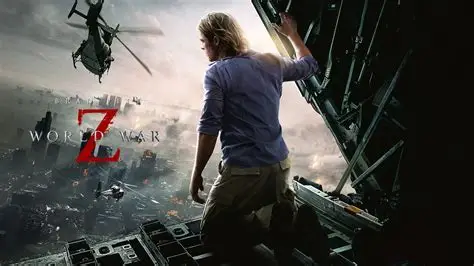
Released in 2013, World War Z stands out as one of the most intense and large-scale zombie films ever made. Directed by Marc Forster and starring Brad Pitt, this apocalyptic thriller takes viewers on a globe-spanning journey through chaos, fear, and survival. Unlike traditional zombie films, World War Z combines horror, action, and political realism, showing how nations respond to a crisis that threatens to erase humanity.
Plot Overview
The story follows Gerry Lane (Brad Pitt), a retired United Nations investigator who is forced back into action when a mysterious infection begins turning humans into aggressive, fast-moving zombies. The pandemic spreads at lightning speed, collapsing governments and destroying cities within hours.
To find a cure, Lane travels across the globe—from Philadelphia to Jerusalem, South Korea, and Wales—encountering military bases, desperate survivors, and shocking scenes of mass panic. Each destination reveals a piece of the puzzle, leading to the discovery that sometimes, survival requires sacrifice and scientific ingenuity.
Themes and Symbolism
World War Z explores more than just zombie horror; it’s a reflection on global unity and crisis management. The film showcases how political divisions, slow response systems, and denial worsen the spread of catastrophe.
At its core, it raises questions about human nature:
-
How do people react when civilization collapses?
-
What happens to empathy and order when survival becomes the only goal?
The zombies themselves symbolize unstoppable natural or biological threats—echoing real-world pandemics and environmental crises.
Visuals and Cinematic Impact
Visually, World War Z is breathtaking. The scenes of mass zombie swarms—especially the Jerusalem wall sequence—remain iconic. The CGI work delivers a chilling realism, capturing the uncontrollable spread of chaos. The tone is dark yet realistic, emphasizing the scale of the disaster over simple jump scares.
The sound design and cinematography heighten tension at every turn, blending horror elements with the urgency of a political thriller.
Brad Pitt’s Performance
Brad Pitt delivers one of his most memorable performances as Gerry Lane. His portrayal of a calm, intelligent, and morally grounded protagonist gives the film emotional depth. Lane isn’t a superhero—he’s an ordinary man forced into extraordinary circumstances, making his journey relatable and heroic.
Critical Reception and Legacy
Upon release, World War Z received positive reviews for its pacing, scale, and fresh take on the zombie genre. Critics praised its international scope and Pitt’s grounded performance. Despite production challenges and reshoots, the film became a box-office success, grossing over $540 million worldwide.
It also helped revive mainstream interest in zombie stories, paving the way for large-scale, serious takes on apocalyptic fiction. Plans for a sequel circulated for years, though it was ultimately canceled due to budget and scheduling issues.
Why It Still Matters
Even a decade later, World War Z feels eerily relevant. Its depiction of global panic, quarantine zones, and scientific race against infection mirrors real-world events like the COVID-19 pandemic. The movie reminds viewers that unity, quick action, and empathy are vital when humanity faces extinction-level threats.
Conclusion
World War Z (2013) remains one of the most thrilling, thought-provoking zombie films ever created. By mixing heart-stopping action with realistic global stakes, it transcends its genre to become a cautionary tale about humanity’s fragility—and resilience. Whether you’re a horror fan or simply love survival epics, World War Z offers an unforgettable cinematic experience.